The Gift That Actually Gets Used: Ilfracombe Princess Gift Vouchers
June 12, 2026
Dog-Friendly Boat Trips in Ilfracombe: Bring the Whole Family Aboard
June 25, 2026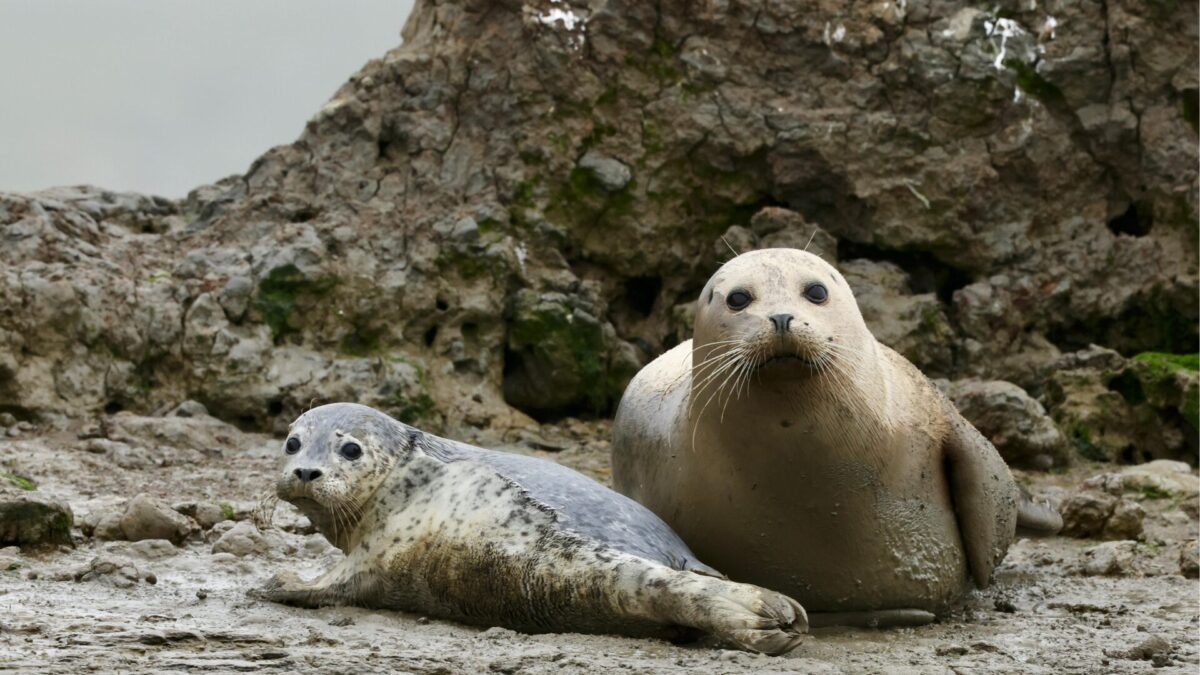
The Atlantic grey seal is one of the largest wild mammals resident in England, and the North Devon coast holds some of the most accessible seal haul-out sites in the country. On any Ilfracombe Princess cruise running east or west along the coast, seal sightings are among the most reliable and consistently delightful encounters the trip delivers.
Here is what you need to know about grey seals, where to find them, and how to make the most of an encounter.
About Atlantic Grey Seals
The Atlantic grey seal (Halichoerus grypus) is one of two seal species found in UK waters, the other being the smaller common seal. Grey seals are the larger of the two: adult bulls can reach 2.5 metres in length and weigh over 300kg. Cows are significantly smaller, typically around 1.8 metres. Both sexes have the characteristic elongated Roman nose profile that distinguishes grey seals from common seals.
The UK hosts approximately 40 percent of the world’s Atlantic grey seal population, making this one of the globally significant marine wildlife populations accessible to visitors.
Where Do Seals Haul Out on the North Devon Coast?
Grey seals haul out (come ashore or onto rock platforms) to rest, moult, and breed. On the North Devon coast, regular haul-out sites exist along the cliff base sections of the coast east of Ilfracombe, at various inaccessible rock ledges visible only from the sea, and around Lundy Island, which hosts a permanent colony of several hundred animals.
The seals at these sites are accustomed to the presence of boats maintaining respectful distances and will typically continue to rest or move slowly in the water rather than fleeing. This makes calm observation possible in a way that would be impossible from land.
What to Look For
Seals hauled out on rocks are often easy to mistake for boulders until they move. Watch for the smooth, rounded shape of a head resting on rock, or a full body laid in the classic banana posture with both head and tail lifted. In the water, the large eyes and flat-topped head profile distinguish a seal from a floating log or other debris.
Grey seals are curious animals. It is common for individuals in the water to follow a boat at a distance, popping up to observe and then diving again. Children are particularly good at spotting these pop-up appearances once they know what to look for.
When Are Seals Most Visible?
Grey seals are present on the North Devon coast year-round, but haul-out numbers are highest in summer when calm weather encourages extended resting periods. The breeding season runs from autumn through winter, with pups born in October and November on beaches and in sea caves along the coast.
June and July are excellent months for seal watching: adults are in good condition and active, and this year’s juveniles from the winter breeding season are now independent and often more curious and interactive than adults.
Book Your Wildlife Cruise
Seal sightings are a near-certainty on any Ilfracombe Princess coastal cruise. Book online or contact us to discuss which route gives the best wildlife viewing for your visit.
Book at ilfracombeprincess.co.uk